
Selling a Texas House in Poor Condition: Repairs or an As-Is Sale?
A house can need work and still have selling options. The best starting point is a clear picture of its condition, the work buyers may face, and how much time or money you want to put into the sale. You do not need to decide that every repair is your job.
Selling a house in poor condition starts with the actual repair needs rather than a broad “fixer-upper” label. A condition inventory, comparable estimates, and a sale-proceeds worksheet help you compare repairs, an as-is listing, and a direct cash offer.
Describe Your House’s Condition Before Choosing How to Sell
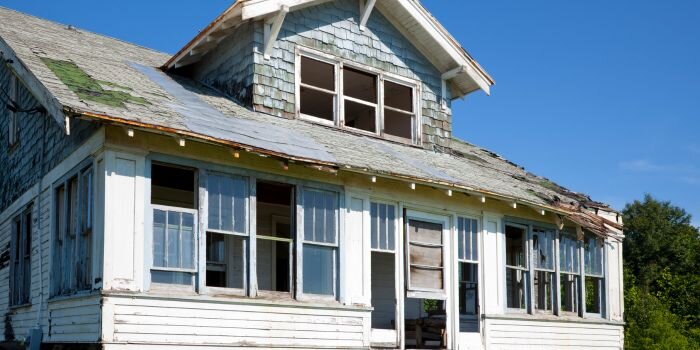
An outdated kitchen is different from a leaking roof, unsafe wiring, or major structural damage. Describe the actual problems rather than relying on a label such as “fixer-upper.” Buyers need to understand the work, and you need useful estimates before comparing choices.
Do not diagnose structural or safety problems from a photo or cover them with cosmetic work. Keep visitors away from unsafe areas and describe access limits before anyone arrives. For a deeper look at structural concerns, use our foundation selling guide.
Build a Repair Inventory for Your Texas Home Sale
Walk through the house only where access is safe. List the roof and visible water damage, heating and cooling, electrical and plumbing concerns, foundation observations, windows, flooring, kitchen and baths, exterior maintenance, and belongings that remain. Record what you observed, when it happened, and what records you have. Use “not evaluated” where appropriate instead of guessing that a system works.
Separate cosmetic work, known repairs, and issues needing specialist evaluation. For each item, note whether it affects safe access, ordinary use, or presentation. Photos can help a contractor understand the request, but they do not establish a diagnosis or a final scope. Give each bidder the same information so the estimates are easier to compare.
Check Repair Estimates for Exclusions and Unknown Costs
A useful written estimate identifies the work, materials, access assumptions, cleanup, payment schedule, and exclusions. Ask about permits where applicable, concealed damage, follow-up work, and who repairs surfaces disturbed by the project. If one roof bid includes damaged decking and another excludes it, the totals are not directly comparable.
Allow room in your planning for uncertainty without treating a generic percentage as a quote. Get clarification on major unknowns before borrowing money or beginning a project. A small improvement may help presentation; it does not follow that every dollar spent will return a dollar at closing.
Three Ways to Sell a Texas Home That Needs Repairs
These choices are not a ranking. Listing may produce a higher net result when you have time and the property attracts buyers. A direct sale may fit when avoiding repair management and repeated access is worth a lower price. Read the terms, not just the headline offer.
Compare Repair-and-List, As-Is Listing, and Cash-Sale Proceeds
Use price minus repairs you pay, selling expenses, and additional holding costs. Then subtract mortgage and other debt payoffs to estimate the proceeds available to you. Include only costs that actually apply and avoid counting the same fee twice.
The following invented figures describe one hypothetical house across three choices. They are not local pricing, fee quotes, repair estimates, or promised offers. All three assume the same $120,000 mortgage payoff and no other debts.
In this illustration the outcomes are close. A $10,000 change in repaired value, unexpected work, or different contract expenses could change the preferred path. Compare written estimates and offers on the same basis rather than assuming one route always pays more. Consider your available cash, time, disruption, and willingness to manage work alongside the projected proceeds.
Agree on Access, Belongings, and Repairs in an As-Is Sale
Specify who may enter, how visits are scheduled, and which areas cannot be accessed safely. Decide what furniture, appliances, debris, and personal property remain and whether any removal or cleanout is required. Do not assume “as-is” means you may leave everything, or that a buyer’s verbal promise overrides the contract.
If you agree to repairs, document the scope, responsible party, completion evidence, and timing. If the buyer takes on the work, make sure the agreement reflects that arrangement. Ask about inspections and termination rights, requested credits, possession, and what happens if the closing date changes. Honest condition information still matters when no repairs are promised.
Our investor-versus-listing guide expands the comparison, while the Texas FSBO guide explains the work involved if you market the property yourself.
Are Pre-Sale Repairs Worth the Cost for Your House?
- Get a current-condition price estimate.Use comparable sales with similar condition, location, size, and property features. A fully renovated sale is not automatically a match.
- Define the repair scope.Separate urgent safety work, repairs a buyer may need, and optional cosmetic improvements. Include permits or specialist work when applicable.
- Compare the money left after each path.Subtract selling costs, repairs you will actually pay, carrying costs, and payoffs. Use the same assumptions across options.
- Account for time and disruption.Consider contractor access, schedule changes, utilities, insurance, travel, and your ability to handle another unexpected expense.
If the scope is uncertain, compare a range rather than a single precise number. Get written estimates that say what is included. Avoid borrowing for a project based only on the hope that the sale will cover it.
Documents and Condition Records for Selling a House As-Is
Collect repair estimates, inspection reports, warranties, insurance-claim records, and any notices about the property. Write down known problems and past repairs, including work that did not fully solve an issue. These records help buyers evaluate the house and reduce repeated questions.
Texas disclosure requirements can apply even when a house is sold as-is. The Texas Real Estate Commission’s Seller’s Disclosure Notice covers material facts and physical condition. Statutory exceptions exist; selling for cash or handling the sale yourself is not a blanket exception.
Before accepting an offer, compare repair obligations, inspection or termination rights, deposits, the closing date, possession, and who pays which costs. You can ask for a written breakdown of the expected proceeds without committing to the sale.
Selling a House in Poor Condition in Texas: Common Questions
Do I need to clean out everything before requesting an offer?
You can ask us to review the house before cleaning or removing belongings. If an offer includes leaving items behind, confirm that arrangement in writing rather than assuming it applies.
Can I sell a house that needs major repairs?
It may be possible. Condition affects the buyer pool, financing, price, and access arrangements. A buyer still needs to evaluate the property and the sale requirements.
Will repairs always increase what I keep from the sale?
No. Compare any added price with repair costs, extra ownership costs, selling expenses, and the possibility that the project takes longer than planned.
Is a cash sale always faster?
Cash removes mortgage underwriting, but closing still depends on ownership, title, payoffs, access, and the agreed terms. Avoid treating an advertised timeline as a guarantee.
Related Guides to Foundation Issues and Repair-Heavy Home Sales

See What an As-Is Sale Could Look Like
Tell us about the house and the work it needs. We can review a cash offer without asking you to renovate first, so you have another option to compare.
Request My Cash Offer →This guide provides general information, not legal, tax, engineering, or financial advice. TX Cash Home Buyers is not a law firm. Requirements and options depend on the property, documents, and circumstances.